
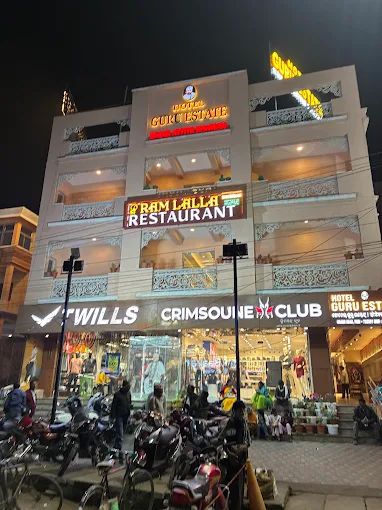
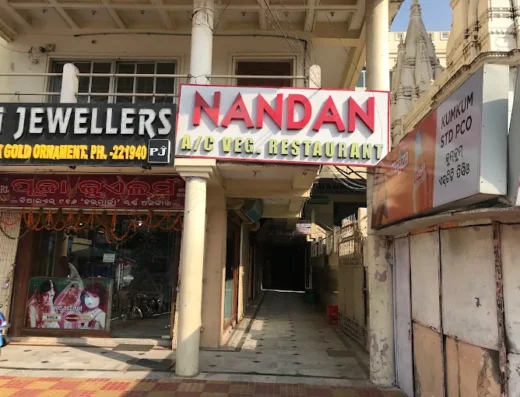
Shri Ram Lalla – A Pure Veg Restaurant operates as dedicated pure vegetarian dining destination located on Grand Road beside Big Bazar in Penthakata/Puri Station Road area, Puri-752002, Odisha per Justdial and TripAdvisor listings creating strategic positioning on Puri’s main thoroughfare serving temple pilgrims and tourists—Grand Road represents primary route connecting Jagannath Temple to other city areas ensuring heavy foot traffic from religious visitors seeking vegetarian meals aligned with temple pilgrimage dietary requirements, Big Bazar landmark beside restaurant provides familiar navigation reference enabling easy discovery versus obscure street addresses, Penthakata/Station Road area positioning places restaurant near railway connectivity serving train travelers and transit passengers. Justdial introduction states “located in the vibrant heart of Puri Station Road, Shri Ram Lalla – A Pure Veg Restaurant is a cherished culinary haven where tradition meets innovation” and alternate listing describes “located in the vibrant heart of Penthakata, Shri Ram Lalla is a cherished culinary haven where tradition meets innovation”—”cherished culinary haven” positions restaurant as beloved destination versus transactional eatery, “tradition meets innovation” suggests balance between classic vegetarian preparations and contemporary culinary approaches appealing to both traditional pilgrims and modern diners, vibrant heart location emphasizes central accessibility and tourism activity concentration.
Earning solid 4.1/5 rating from 614 customer ratings on Justdial demonstrating good satisfaction with substantial review participation—4.1 rating indicates “good to very good” quality exceeding basic 3.0 average though not reaching excellent 4.5+ tier, performance suggests consistent decent quality with room for improvement in service and food execution consistency per customer feedback insights, 614 ratings represents significant volume for Puri vegetarian restaurant market proving established operations accumulating customer feedback over time, substantial participation creates statistical confidence in quality assessment versus small sample sizes subject to outlier bias. Justdial categorizes under “Fast Food” and “Fast Food Delivery Services” alongside “Inexpensive Fast Food (Below Rs 500)” indicating quick-service positioning and budget-friendly pricing tier—fast food categorization suggests relatively quick meal turnover and casual dining versus lengthy fine dining experiences, delivery capability extends accessibility beyond dine-in serving hotel guests and locals wanting home delivery convenience, inexpensive designation confirms affordability targeting mass market versus premium exclusivity.
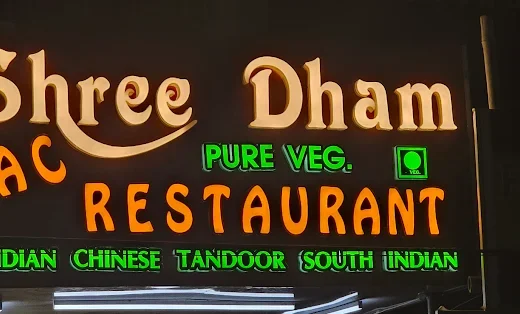
Pure vegetarian philosophy represents core restaurant identity and primary differentiation creating specialized positioning serving strict vegetarian dietary requirements. “Pure Veg” designation ensures 100% vegetarian menu without any non-vegetarian items catering specifically to Hindu temple pilgrims following vegetarian diets during religious journeys, Jain community with strict vegetarian requirements, health-conscious diners choosing plant-based eating, cultural vegetarians from families with generational meat-free traditions, pure veg restaurants eliminate contamination concerns from shared kitchens preparing both veg and non-veg creating higher purity standards for religious observers. Instagram profile celebrates philosophy stating “an oasis of pure vegetarian cuisine, where every dish is a tribute to nature’s bounty”—”oasis” metaphor suggests refreshing discovery amid surrounding non-veg restaurant environment in coastal Puri where seafood dominates dining scene, pure vegetarian restaurants represent minority in fish-focused coastal towns creating scarcity value, “tribute to nature’s bounty” positions vegetarian cooking as celebration of plant kingdom diversity (vegetables, grains, legumes, fruits, dairy) rather than compromise or limitation versus meat-eating, positive framing elevates vegetarian cuisine to philosophical choice honoring natural ingredients versus deprivation narrative.
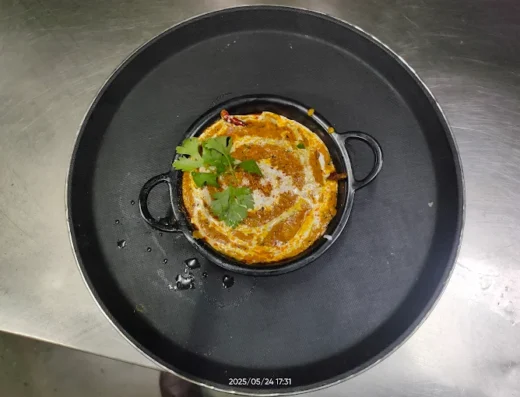
Exceptional onion and garlic-free accommodation differentiates from standard vegetarian restaurants creating specialized appeal for strict dietary observers. Wanderboat review from spiritual traveler provides detailed testimony: “I’m thrilled to have discovered Ramlalla Hotel during my 5-day spiritual vacation in Puri! As a traveler seeking onion- and garlic-free options, I was delighted to find this gem. Ramlalla Hotel exceeded my expectations in every way: Immaculately clean premises, Lovely ambiance, Outstanding cuisine (we tried various rotis, curries, and rice dishes)”—spiritual vacation context indicates religious pilgrimage journey where food purity carries particular significance beyond ordinary travel dining, “seeking onion- and garlic-free options” reveals specific dietary quest suggesting difficulty finding such preparations in typical restaurants, discovery as “gem” suggests rarity and value of finding suitable dining option, “delighted” and “thrilled” emotional language shows strong positive reaction beyond simple satisfaction indicating need fulfillment, “exceeded my expectations in every way” demonstrates comprehensive quality across multiple dimensions (cleanliness, ambiance, food) creating total positive experience. Onion and garlic-free preparation represents sattvic dietary principles followed by Jains, certain Hindu sects, ISKCON devotees, yoga practitioners, spiritual seekers believing onion-garlic stimulate passions and lower consciousness versus pure sattvic foods promoting mental clarity and spiritual progress, mainstream Indian cooking relies heavily on onion-garlic flavor bases creating technical kitchen challenge to produce flavorful dishes without these aromatics, successful onion-garlic-free execution requires alternative flavor building through ginger, asafoetida (hing), cumin, coriander, tomatoes, cream, nuts creating comparable depth and complexity, restaurant’s capability to serve “outstanding cuisine” without onion-garlic demonstrates sophisticated culinary understanding and technical skill appealing to demanding dietary restrictions.
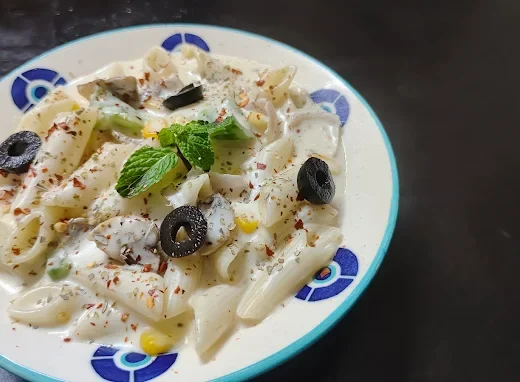
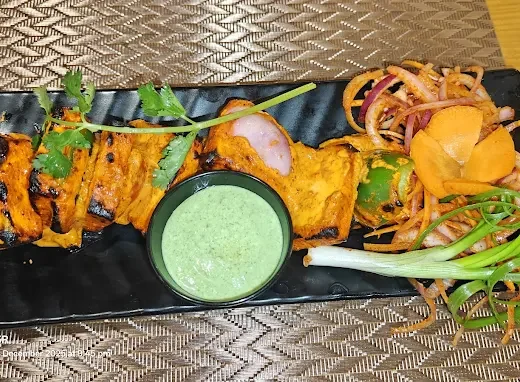
Comprehensive multi-cuisine vegetarian diversity ensures broad customer appeal despite pure vegetarian constraint limiting ingredients. Justdial popular items list includes “Chaat, rolls, butter chicken, kebabs, chole bhature, biryani, rolls, samosa, and gol gappe”—wide ranging offerings demonstrate menu breadth across multiple Indian cuisine categories. Chaat represents street food category (papdi chaat, dahi puri, sev puri, bhel puri) providing tangy spicy savory snacks appealing to casual dining and afternoon snacking, chaats represent quintessential Indian vegetarian street food with regional variations creating nostalgic comfort food appeal. Rolls (kathi rolls, frankie wraps) offer portable convenient wrapped meals combining parathas with vegetable/paneer fillings popular for quick lunch or takeout. “Butter chicken” in vegetarian restaurant obviously represents paneer butter masala or similar cottage cheese preparation mimicking popular butter chicken using vegetarian protein, naming suggests menu accessibility using familiar non-veg dish names to attract customers comfortable with mainstream Indian cuisine terminology. Kebabs indicates tandoor preparations (paneer tikka, hara bhara kabab, veg seekh) providing smoky grilled vegetarian items satisfying barbecue cravings without meat. Chole bhature represents classic North Indian combination of spicy chickpea curry with deep-fried puffed bread popular for hearty breakfast or lunch. Biryani offers fragrant spiced rice dish traditionally made with vegetables and paneer versus meat versions creating complete one-pot meal. Samosa provides ubiquitous triangular pastry filled with spiced potatoes representing most iconic Indian snack recognized globally. Gol gappe (pani puri, puchka) delivers hollow crispy spheres filled with spicy tangy water creating interactive fun eating experience particularly popular with families and younger demographics.
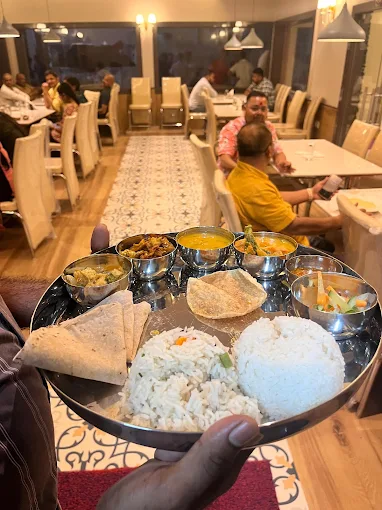
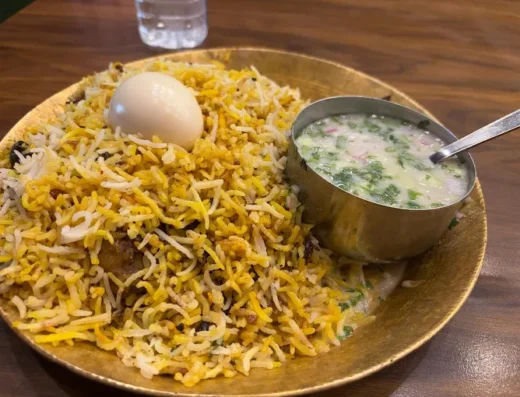
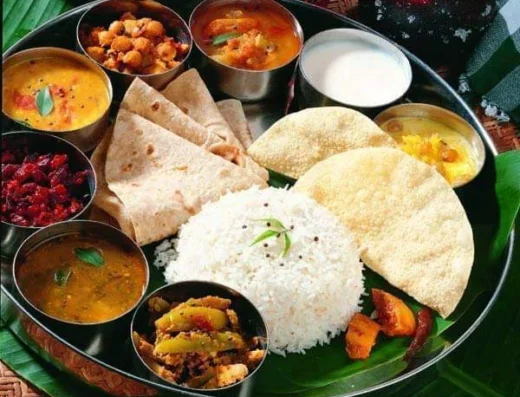
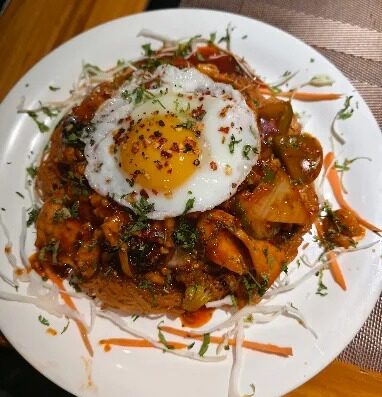
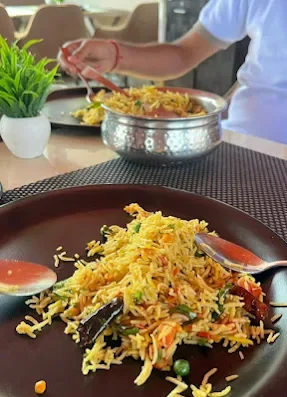
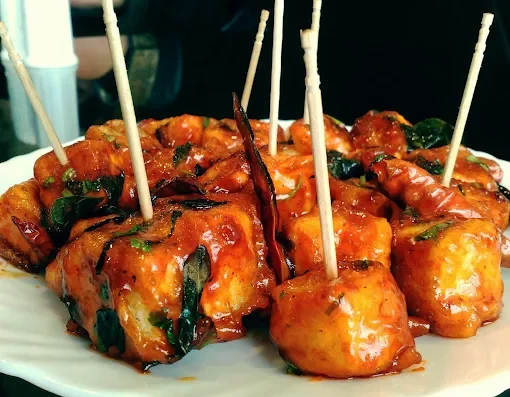
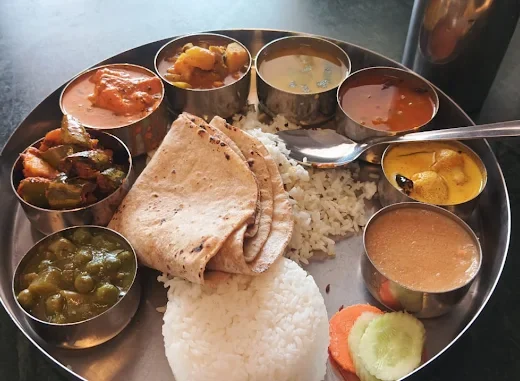
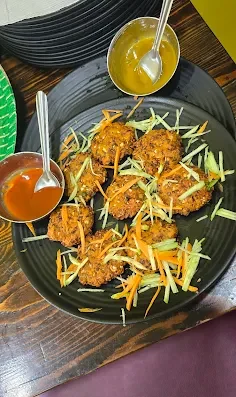
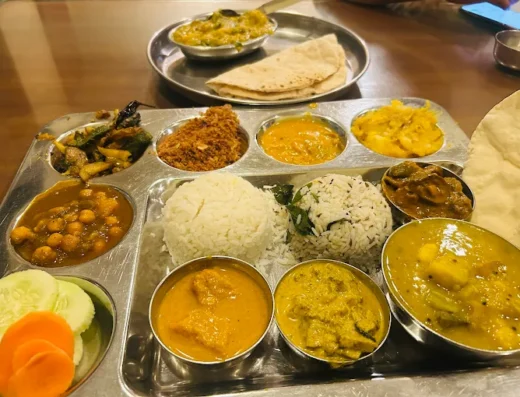
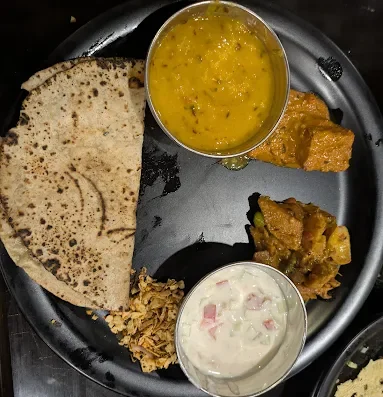
Instagram food blogger review provides specific pricing details revealing menu economics: “Pure Veg Restaurant In Puri, I tried: Veg Thali – ₹165/-, Paneer 65 – ₹179/-, Special Veg biryani – ₹220/-” with location “Ram Lalla Restaurant, Grand Road, Puri, Odisha, 752001″—veg thali at ₹165 represents traditional complete meal format including multiple curries (typically 2-3 vegetable preparations), dal (lentil dish), rice, rotis/chapatis (2-3 pieces), papad, pickle, salad, sometimes sweet dessert creating comprehensive balanced meal covering all tastes (spicy, tangy, sweet, mild), thali format particularly popular for lunch providing variety sampling versus single dish limitation, ₹165 pricing creates excellent value considering meal completeness and portion size sufficient for hunger satisfaction, thali appeals to tourists wanting authentic Indian meal experience and locals seeking traditional home-style cooking. Paneer 65 at ₹179 represents Indo-Chinese fusion preparation adapting Chicken 65 (spicy deep-fried appetizer from South India) using paneer cottage cheese creating vegetarian version, Paneer 65 demonstrates menu innovation and fusion cuisine willingness appealing to younger demographics familiar with Indo-Chinese restaurant culture, ₹179 pricing positions as premium appetizer or side dish versus main course, spicy flavorful preparation popular for sharing and social dining. Special Veg biryani at ₹220 offers fragrant layered rice dish with vegetables, aromatic spices, possibly paneer or dry fruits creating complete meal in single preparation, “special” designation suggests premium version versus basic veg biryani possibly including additional ingredients (cashews, raisins, exotic vegetables) or larger portion justifying ₹220 pricing, biryani represents universally popular Indian rice dish with cross-regional appeal satisfying comfort food cravings, vegetarian version removes meat while maintaining characteristic flavors through spice blends and cooking techniques. However Instagram comment reveals operational limitation: “Food is very bad went there seeing ur reel don’t serve thali in dinnerReply”—negative food quality assessment directly contradicts promotional content creating credibility issue and customer disappointment, thali unavailability at dinner represents service limitation (possibly lunch-only thali service common in Indian restaurants where thali suits midday meal patterns versus evening ala carte preferences) frustrating customers expecting comprehensive menu throughout operating hours, comment suggests influencer marketing (customer visited “seeing ur reel”) creating elevated expectations followed by letdown reinforcing importance of managing customer expectations realistically.
Comprehensive daily operation covers all meal periods ensuring accessibility throughout day. Justdial states “open from Monday:- 8:00 am – 10:30 pm, Tuesday:- 8:00 am – 10:30 pm, Wednesday:- 8:00 am – 10:30 pm, Thursday:- 8:00 am – 10:30 pm, Friday:- 8:00 am – 10:30 pm, Saturday:- 8:00 am – 10:30 pm, Sunday:- 8:00 am – 10:30 pm, we’re here to serve you at breakfast, lunch, and dinner, making it easy to enjoy our offerings throughout the day”—8:00 AM to 10:30 PM operation equals 14.5 hours daily creating extensive service window, seven-day uniform schedule without weekend variation eliminates customer confusion about varying hours enabling reliable planning for any day, early 8:00 AM start accommodates breakfast service for hotel guests, early temple visitors, train passengers arriving morning services wanting meals before activities, covers breakfast period (8-11 AM), lunch period (12-3 PM), afternoon snacking (3-6 PM), dinner period (6-10:30 PM) ensuring availability for every meal occasion, 10:30 PM late closure enables leisurely dinner service for customers wanting 8-9 PM dinner common in Indian dining patterns plus buffer for final orders and service completion, TripAdvisor confirms “open until 10:30 PM” with meal types “Breakfast, Lunch, Dinner” validating comprehensive all-day operation.
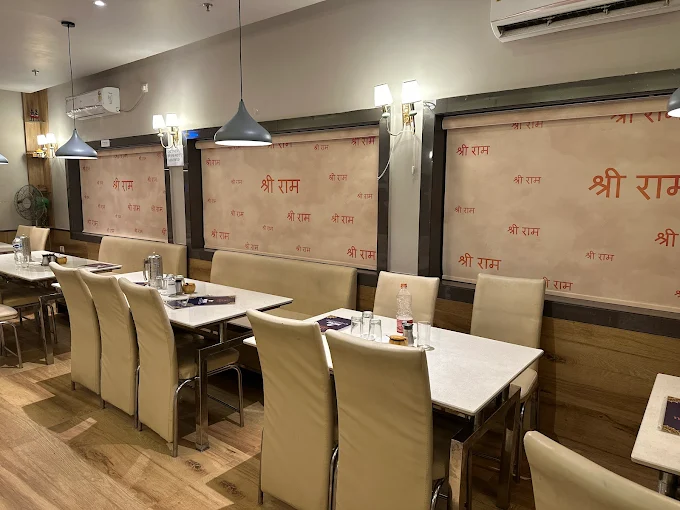
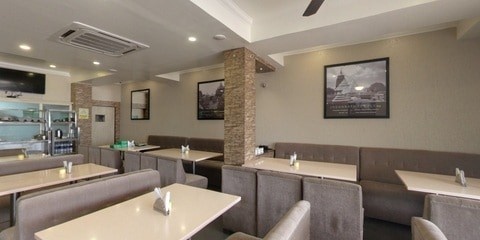
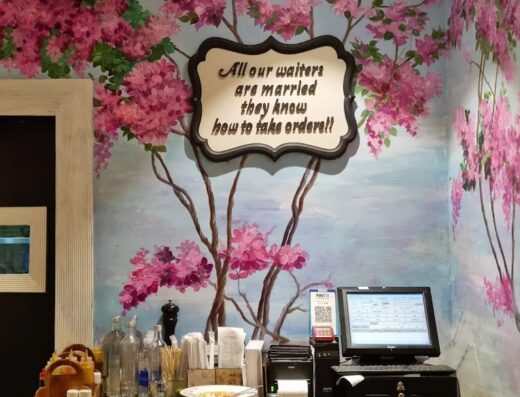
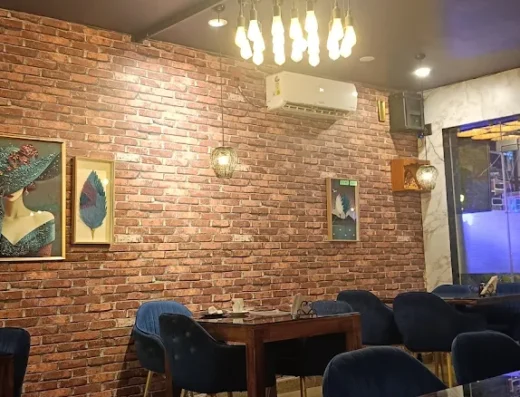
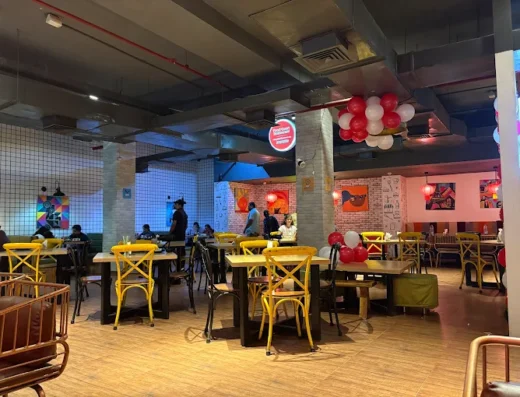
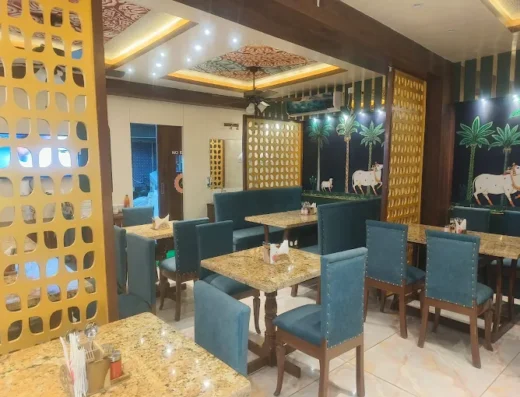
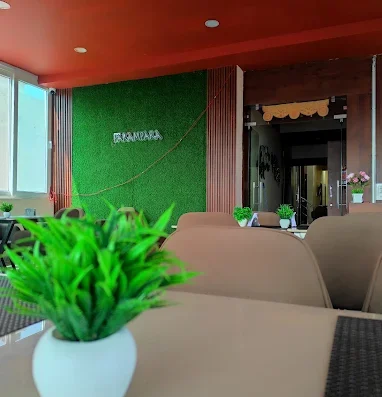
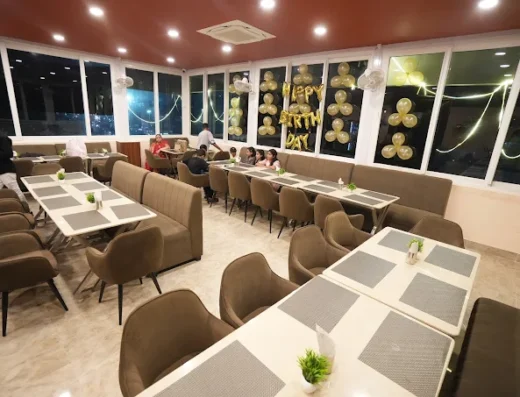
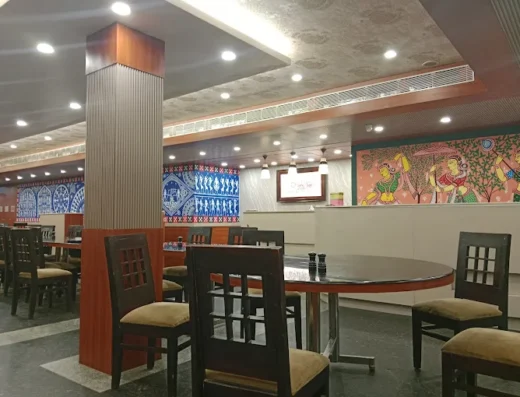
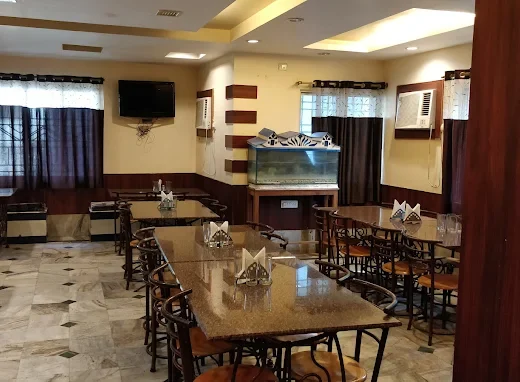
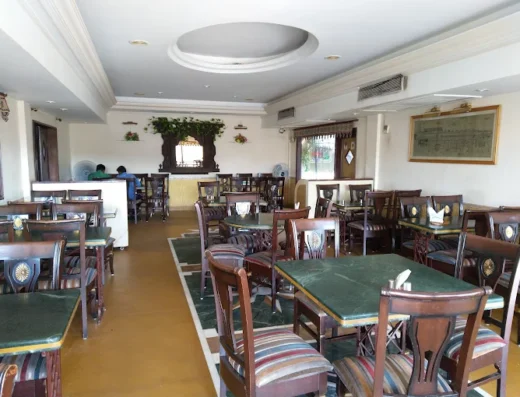
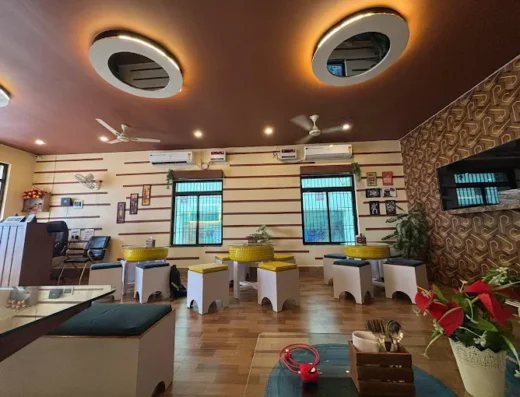
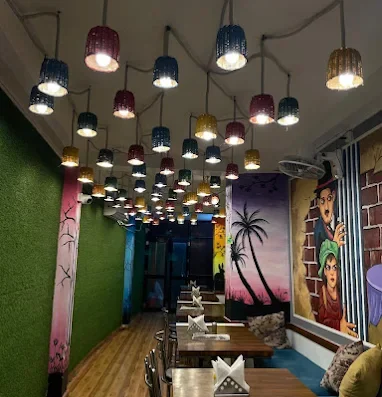
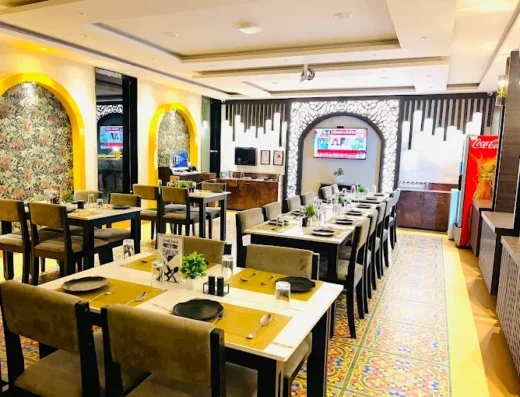
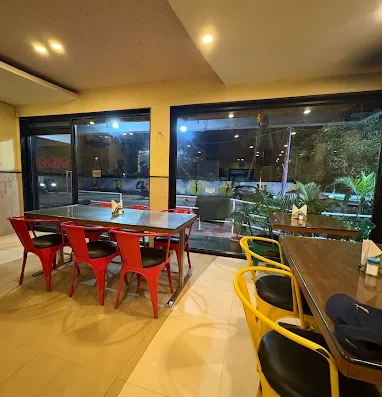
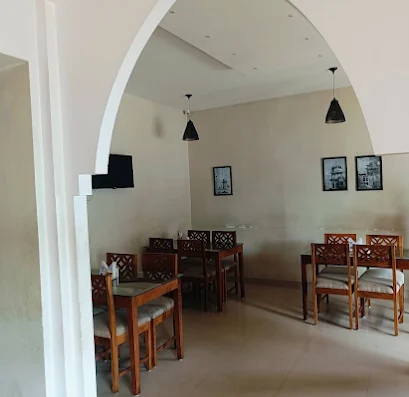
Atmospheric investment creates upscale environment differentiating from basic vegetarian dhabas. Justdial describes “restaurant’s interior is elegantly designed to provide a cozy yet refined ambiance, with warm lighting and tasteful decor that make every meal feel special”—”elegantly designed” suggests professional interior design investment versus haphazard basic setup, elegance positioning elevates vegetarian restaurant beyond utilitarian eating into dining experience, “cozy yet refined” balances comfort (inviting relaxed atmosphere) with sophistication (quality furnishings, aesthetic consideration) creating approachable upscale environment versus intimidating formal or cheap casual extremes. “Warm lighting” creates inviting comfortable atmosphere through soft illumination versus harsh fluorescent lighting common in budget restaurants—warm lighting enhances food presentation making dishes appear more appetizing, creates relaxed mood encouraging leisurely dining and conversation, particularly effective for evening dinner service creating romantic or intimate atmosphere. “Tasteful decor” indicates aesthetic consideration and design cohesion creating visually pleasing environment—decor investment demonstrates commitment to complete dining experience beyond just food quality, tasteful suggests avoiding garish over-decoration or religious kitsch potentially overwhelming atmosphere while maintaining visual interest and cultural appropriateness. “Make every meal feel special” positions dining as occasion versus mundane sustenance—special feeling appeals to tourists wanting memorable Puri experiences and locals celebrating occasions, atmospheric quality justifies moderate ₹500 pricing creating value beyond just food cost through environmental contribution to experience, special meal psychology encourages photography and social sharing enhancing restaurant marketing visibility.
Cleanliness emphasis receives consistent customer praise creating hygiene confidence particularly critical for religious pilgrims. Justdial customer insights state “many customers mentioned the cleanliness and hygiene of the restaurant, appreciating the well-maintained premises”—consistent cleanliness mentions across multiple reviews indicates reliable hygiene standards versus isolated positive experiences, well-maintained premises suggests ongoing commitment to facility upkeep versus gradual decline after initial setup, cleanliness particularly important for vegetarian pure-veg restaurants where customers often hold higher purity expectations based on religious dietary philosophy connecting food purity with preparation environment cleanliness, temple pilgrims especially value hygiene given association between physical cleanliness and spiritual purity in Hindu tradition. Wanderboat review specifically emphasizes “immaculately clean premises”—”immaculate” represents highest cleanliness standard beyond merely “clean” indicating spotless flawless condition, immaculate cleanliness creates immediate positive impression and confidence in food preparation hygiene standards, foreign or health-conscious travelers particularly appreciate cleanliness assurance addressing common Indian restaurant hygiene concerns.
Service quality shows inconsistency creating mixed guest experiences revealing operational management challenges. Positive dimensions appear: “significant number of reviews highlighted the friendly and courteous staff, with specific praise for their helpfulness and attentiveness”—friendly courteous staff creates welcoming atmosphere particularly important for first-time visitors and tourists unfamiliar with vegetarian menu items needing guidance and recommendations, helpfulness suggests staff willingness to accommodate special requests and dietary questions common with religious dietary restrictions, attentiveness indicates proactive service monitoring guest needs versus passive order-taking requiring customer flagging for every need, positive service capable of creating loyal repeat customers and word-of-mouth recommendations. However significant service problems emerge: “user mentioned that the service could be extremely slow, with long wait times for food and orders being forgotten”—”extremely slow” indicates serious operational execution problem beyond acceptable wait times, slow service particularly frustrating during lunch/dinner rushes when hungry customers expect reasonable turnaround for fast-food-positioned restaurant, forgotten orders represent critical service failure demonstrating poor order management systems or kitchen-server communication breakdowns eroding customer trust and satisfaction, combination of slow service plus forgotten orders suggests understaffing or inadequate training during busy periods requiring operational improvement. Additional personnel criticism states “some reviews pointed out issues with staff behavior, describing them as indifferent or rude at times”—indifferent behavior shows lack of customer service motivation or engagement creating unwelcoming atmosphere contradicting friendly service reports, rudeness represents serious hospitality failure actively driving customers away and generating negative reviews damaging reputation, “at times” qualifier suggests inconsistency across staff members (some friendly, some rude) or across different times/shifts indicating management supervision gaps and service training inconsistency, mixed service quality creates unreliable guest experience where customer satisfaction depends on luck of which server/shift encountered versus consistent standards.
Food quality assessment reveals polarized customer opinions suggesting execution inconsistency across dishes or visits. Positive feedback includes “several users noted the good quality and delicious taste of the food, particularly enjoying the vegetarian options without onion and garlic”—quality and delicious taste validation shows successful dishes capable of satisfying discerning customers, onion-garlic-free execution praise specifically validates technical kitchen capability to produce flavorful food despite ingredient restrictions appealing to strict dietary observers, positive food experiences demonstrate restaurant’s potential when operating optimally. Wanderboat review praises “outstanding cuisine (we tried various rotis, curries, and rice dishes)”—”outstanding” represents high praise indicating exceptional quality exceeding expectations, variety trial (rotis, curries, rice) suggests breadth sampling with consistent quality across different dishes versus single dish success, outstanding assessment from spiritual traveler with likely high purity and quality standards carries particular credibility. However, substantial negative feedback appears: “many customers expressed dissatisfaction with the food quality, citing bland flavors and incorrect dishes being served”—bland flavors represents serious criticism particularly damaging for vegetarian restaurant requiring strong seasoning and spice balance to compensate for meat absence and create satisfying taste profiles, bland food suggests under-seasoning, fear of spice for tourist market, kitchen inconsistency in spice applications, or cost-cutting using lower quality spices losing potency, vegetarian cuisine depends heavily on spicing and flavor layering to create complexity and satisfaction making bland execution particularly problematic. Incorrect dishes served indicates kitchen disorganization or poor communication between waitstaff and kitchen creating order fulfillment errors—receiving wrong dishes frustrates customers wasting time through required returns and replacements, errors suggest menu complexity overwhelming kitchen capacity or inadequate order tracking systems, pattern of incorrect dishes erodes customer confidence in restaurant competence. Instagram comment provides stark negative assessment: “Food is very bad went there seeing ur reel”—”very bad” represents strong negative judgment indicating serious quality failure versus minor disappointment, comment from customer attracted by social media food content (“seeing ur reel”) suggests particularly disappointing experience where actual quality fell far short of promotional presentation creating amplified frustration, negative experience following influencer marketing creates credibility damage and potential social media backlash through disappointed commenter potentially sharing negative experience.
Moderate affordable pricing targets mass market accessibility creating value proposition for budget-conscious pilgrims and families. Justdial lists “Price For Two: ₹500″—₹500 for two equals approximately ₹250 per person placing in moderate affordable category, pricing sits comfortably below ₹1,000 premium tier restaurants while exceeding basic ₹200-300 budget joints, ₹500 positioning creates accessibility for middle-class domestic tourists and pilgrims versus premium pricing limiting market to affluent travelers, categorization under “Inexpensive Fast Food (Below Rs 500)” confirms budget-friendly tier alignment. Individual menu pricing from Instagram shows reasonable rates—₹165 veg thali, ₹179 Paneer 65, ₹220 Special Veg biryani creating per-item affordability enabling families to dine within modest budgets, thali at ₹165 represents exceptional value providing complete meal with multiple components at price point accessible for daily dining versus special occasion only, biryani at ₹220 positions as moderately premium single dish still within reach of middle-income customers. Affordable pricing combined with pure vegetarian religious dietary alignment creates strong value proposition for Puri’s massive temple pilgrim traffic seeking satisfying economical meals during spiritual journeys where food spending represents secondary concern versus devotional activities, budget positioning enables capturing volume business from continuous pilgrim flow versus premium pricing limiting to affluent niche, moderate rates allow repeat visits during multi-day Puri stays creating customer retention opportunity.
Strategic features enhance accessibility and family appeal expanding customer base and usage occasions. Justdial special offerings include “Vegan Options Available, Veg Options Available”—vegan availability accommodates strict plant-based diners excluding all animal products including dairy eggs honey representing growing health and ethical dietary movement, vegan options differentiate from standard vegetarian restaurants heavily using dairy (paneer, butter, ghee, cream, curd) in Indian cooking, vegan capability attracts international tourists and urban health-conscious diners seeking plant-based meals. Dining options include “Dinner, Lunch” with services offering “Kids Menu, Home Delivery” and amenities providing “High Chair Available”—kids menu demonstrates family-friendly approach creating child-appropriate items (possibly less spicy, smaller portions, familiar comfort foods) welcoming families with young children often excluded from adult-focused restaurants, home delivery extends accessibility beyond dine-in serving hotel guests, locals, tired pilgrims wanting room service creating revenue diversification and convenience value, high chair availability shows family accommodation infrastructure making restaurant physically accessible for toddlers and young children encouraging family dining, family-friendly features expand potential customer base to include parents with children representing significant demographic in religious tourism where multi-generational family pilgrimages common, children accommodation increases average check size (more diners per table) and encourages longer stays building family loyalty and word-of-mouth within family networks.
Categories
Location
FAQ
What makes Shri Ram Lalla's pure vegetarian and onion-garlic-free approach distinctive for religious pilgrims?
The restaurant specializes in strict vegetarian dietary accommodation. Pure vegetarian philosophy: Designation as "pure veg" ensures 100% vegetarian menu without any non-vegetarian items—complete meat exclusion caters to Hindu temple pilgrims following vegetarian diets during Jagannath Temple religious journeys, Jain community with strict ahimsa (non-violence) dietary principles, cultural vegetarians from generational meat-free traditions, health-conscious plant-based eaters, pure veg restaurants eliminate cross-contamination concerns from shared kitchens preparing both categories creating higher purity standards critical for religious observers associating food purity with spiritual practice. Instagram celebrates "an oasis of pure vegetarian cuisine, where every dish is a tribute to nature's bounty"—"oasis" metaphor suggests refreshing discovery amid coastal Puri's predominantly seafood-focused restaurant environment where pure vegetarian options represent minority, "tribute to nature's bounty" elevates vegetarian cooking to celebration of plant kingdom diversity (vegetables, legumes, grains, dairy, fruits) versus deprivation narrative, positive philosophical framing positions vegetarian cuisine as conscious choice honoring natural ingredients rather than compromise absence of meat. Exceptional onion-garlic-free capability: Wanderboat review from spiritual traveler provides detailed testimony: "I'm thrilled to have discovered Ramlalla Hotel during my 5-day spiritual vacation in Puri! As a traveler seeking onion- and garlic-free options, I was delighted to find this gem"—spiritual vacation context indicates religious pilgrimage where food purity carries heightened significance beyond ordinary travel dining, "seeking onion- and garlic-free options" reveals specific dietary quest suggesting difficulty finding such preparations in typical Indian restaurants, discovery as "gem" indicates rarity and high value of locating suitable dining option, "thrilled" and "delighted" strong emotional language demonstrates significant positive reaction indicating important need fulfillment. Review continues "Ramlalla Hotel exceeded my expectations in every way: Immaculately clean premises, Lovely ambiance, Outstanding cuisine (we tried various rotis, curries, and rice dishes)"—"exceeded expectations in every way" shows comprehensive quality across multiple dimensions (cleanliness, atmosphere, food) creating total satisfaction, "outstanding cuisine" represents high culinary praise particularly meaningful given restrictive ingredient limitations, variety trial (rotis, curries, rice) suggests consistent quality across different dish types versus single item success. Sattvic dietary principles: Onion-garlic-free preparation aligns with sattvic (pure, harmonious) dietary philosophy followed by Jains, certain Hindu spiritual sects (ISKCON, Arya Samaj), yoga practitioners, meditation practitioners believing onion-garlic belong to rajasic-tamasic (stimulating-dulling) categories that increase passion, dullness, lower consciousness versus sattvic foods promoting mental clarity, spiritual awareness, inner peace, mainstream Indian cooking relies heavily on onion-garlic as aromatic flavor base creating significant technical challenge to produce satisfying complex flavors without these foundational ingredients, successful execution requires alternative flavor building through ginger, asafoetida (hing), cumin seeds, coriander, fresh tomatoes, cream, cashew paste, coconut creating comparable depth and richness, restaurant's ability to serve "outstanding cuisine" without onion-garlic demonstrates sophisticated culinary understanding and technical skill differentiating from standard vegetarian restaurants unable to accommodate these restrictions. Pure veg with onion-garlic-free creates specialized niche serving strict dietary requirements of religious pilgrims and spiritual practitioners.
How does multi-cuisine menu diversity ensure broad appeal despite pure vegetarian constraints?
Comprehensive vegetarian variety accommodates varied preferences. Extensive popular items breadth: Justdial lists "Chaat, rolls, butter chicken, kebabs, chole bhature, biryani, rolls, samosa, and gol gappe"—wide-ranging offerings demonstrate menu scope across multiple Indian cuisine categories ensuring customer choice beyond limited single-style menu. Chaat street food: Chaats (papdi chaat, dahi puri, sev puri, bhel puri) represent quintessential Indian vegetarian street food category providing tangy spicy savory snacks with regional variations, chaats appeal to casual dining, afternoon snacking, nostalgic comfort food cravings, interactive eating experience popular with families and younger demographics, street food inclusion creates approachable casual atmosphere versus exclusively formal dining. Rolls and wraps: Kathi rolls/frankies offer portable convenient wrapped meals combining parathas with vegetable or paneer cottage cheese fillings ideal for quick lunch, takeout, on-the-go eating, roll format appeals to modern urban dining preferences and time-pressed tourists wanting efficient meals. Vegetarian adaptations: "Butter chicken" listing in pure veg restaurant represents paneer butter masala or similar cottage cheese preparation adapting popular butter chicken using vegetarian protein instead of meat—naming strategy uses familiar mainstream dish names to attract customers comfortable with conventional Indian restaurant terminology reducing intimidation factor of unfamiliar vegetarian-specific dishes, paneer butter masala delivers similar rich creamy tomato-based gravy creating comparable taste experience satisfying butter chicken cravings without meat. Tandoor preparations: Kebabs indicate tandoori items (paneer tikka, hara bhara kabab, veg seekh, stuffed mushrooms) providing smoky charcoal-grilled vegetarian options satisfying barbecue desires, tandoor cooking represents premium preparation method creating distinctive flavors and appealing charred presentation. North Indian classics: Chole bhature (spicy chickpea curry with deep-fried puffed bread) represents iconic Punjabi combination popular for hearty breakfast or substantial lunch, demonstrates North Indian cuisine strength appealing to majority domestic tourist base familiar with regional classics. Rice specialties: Biryani offers fragrant layered spiced rice with vegetables creating complete one-pot meal, biryani represents universally popular Indian rice dish with cross-regional appeal satisfying comfort food cravings, vegetarian version maintains characteristic aromatics through whole spices, herbs, possibly saffron while replacing meat with mixed vegetables, paneer, dry fruits. Iconic snacks: Samosas provide ubiquitous triangular pastries filled with spiced potatoes representing most recognizable Indian snack globally, gol gappe (pani puri) deliver hollow crispy shells filled with spicy tangy water creating fun interactive eating experience particularly popular with families and children. Specific menu pricing examples: Instagram review details "Veg Thali - ₹165/-, Paneer 65 - ₹179/-, Special Veg biryani - ₹220/-"—veg thali provides traditional complete meal format including multiple curries (typically 2-3 vegetable preparations), dal, rice, rotis, papad, pickle, salad sometimes sweet creating comprehensive balanced meal sampling diverse tastes and textures, ₹165 pricing offers excellent value for meal completeness appealing to tourists wanting authentic Indian thali experience and locals seeking home-style cooking, Paneer 65 represents Indo-Chinese fusion adapting spicy Chicken 65 using paneer demonstrating menu innovation and fusion willingness, Special Veg biryani at ₹220 suggests premium version with enhanced ingredients (cashews, raisins, exotic vegetables) justifying higher pricing. Cuisine category breadth: Menu spans North Indian, South Indian, Chinese (Indo-Chinese fusion), Fast Food, Chaats creating exceptional diversity for single restaurant—multi-cuisine approach ensures every customer demographic (traditional vs modern, regional preferences, age groups) finds familiar comfortable options, breadth enables large group accommodation where members have varied preferences allowing single restaurant satisfaction versus group splitting across multiple venues, variety prevents menu fatigue for multi-day visitors staying in Puri enabling return visits without repetition boredom. Comprehensive vegetarian menu diversity compensates for pure veg limitation by maximizing variety within plant-based ingredients.
What cleanliness and ambiance standards create upscale vegetarian dining environment?
Atmospheric investment differentiates from basic vegetarian eateries. Interior design quality: Justdial describes "restaurant's interior is elegantly designed to provide a cozy yet refined ambiance, with warm lighting and tasteful decor that make every meal feel special"—"elegantly designed" indicates professional interior design investment versus haphazard basic setup common in budget vegetarian restaurants, elegant positioning elevates dining beyond utilitarian sustenance into aesthetic experience, design investment demonstrates commitment to complete environment beyond just food service. Atmospheric balance: "Cozy yet refined" achieves difficult balance between comfort and sophistication—cozy creates inviting relaxed approachable atmosphere through comfortable seating, intimate layout, welcoming warmth encouraging leisurely dining and conversation, refined adds sophistication through quality furnishings, aesthetic cohesion, design consideration preventing cozy from becoming shabby or overly casual, combination makes restaurant suitable for both casual family meals and special occasion dining accommodating varied customer needs. Lighting strategy: "Warm lighting" creates inviting comfortable atmosphere through soft illumination avoiding harsh fluorescent lighting typical in budget restaurants—warm yellow-toned lighting (versus cold white-blue) psychologically creates relaxed mood and appetite stimulation, enhances food presentation making dishes appear more appetizing with natural golden tones, particularly effective for evening dinner service creating romantic intimate atmosphere for couples, warm lighting reduces glare and eye strain enabling comfortable extended dining periods. Decor thoughtfulness: "Tasteful decor" indicates aesthetic consideration and visual cohesion creating pleasing environment—tasteful suggests avoiding garish over-decoration, religious kitsch, clashing colors potentially overwhelming atmosphere while maintaining sufficient visual interest preventing stark boring environment, decor investment (artwork, wall treatments, table settings, plants) demonstrates operational maturity and customer experience focus beyond minimal functionality. Special meal psychology: "Make every meal feel special" positions dining as occasion versus mundane eating—special feeling particularly valuable for tourists wanting memorable Puri experiences and locals celebrating occasions (birthdays, anniversaries, family gatherings), atmospheric quality justifies moderate ₹500 pricing by creating value beyond food cost through environmental contribution, special meal psychology encourages photography and social media sharing (Instagram posts, reviews) enhancing restaurant marketing visibility and word-of-mouth. Hygiene excellence validation: Justdial customer insights state "many customers mentioned the cleanliness and hygiene of the restaurant, appreciating the well-maintained premises"—consistent cleanliness mentions across multiple independent reviews indicates reliable hygiene standards versus isolated positive experiences or paid promotional reviews, "well-maintained premises" suggests ongoing commitment to facility upkeep (regular cleaning, repairs, painting, equipment maintenance) versus gradual decline after initial setup common in restaurants reducing maintenance spending over time, cleanliness consistency requires systematic protocols, staff training, management oversight creating operational discipline. Premium cleanliness standards: Wanderboat review emphasizes "immaculately clean premises"—"immaculate" represents highest cleanliness tier beyond merely "clean" or "hygienic" indicating spotless flawless condition without visible dirt, dust, stains, clutter, immaculate standard creates immediate positive first impression influencing overall perception of restaurant quality and professionalism, immaculate cleanliness builds confidence in food preparation hygiene and kitchen standards invisible to customers but in












Leave a Reply