
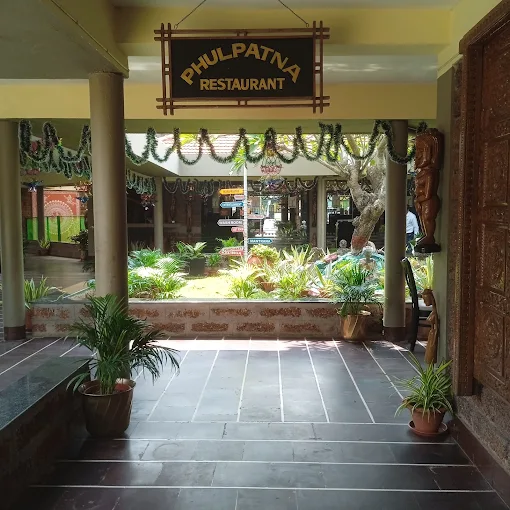
Phulpatna Multi Cuisine Ethnic Restaurant operates as premium dining destination located inside Toshali Sands Resort on Puri Konark Marine Drive Road, Baliguali area, Puri-752002, Odisha per Justdial, TripAdvisor, and official Toshali Resort website creating high-end resort dining positioning within established hospitality property—Toshali Sands represents prominent Puri resort brand providing professional infrastructure, resort guest base, scenic marine drive location between Puri and Konark tourism corridor, integration ensures operational support (kitchen facilities, procurement, staffing, quality standards) versus independent street restaurants operating without resort backing, resort association creates prestige and guest convenience for on-site dining without leaving property. Official resort website introduces “Experience the rich culinary heritage of the eastern region of India at Toshali Sands’ Phulpatna Ethnic Restaurant” establishing restaurant as showcase for eastern Indian culinary traditions—eastern focus differentiates from generic multi-cuisine restaurants by emphasizing regional Odisha specialties alongside broader menu, ethnic restaurant designation suggests authentic traditional preparations celebrating local food culture, heritage emphasis positions dining as cultural experience versus just sustenance. Website continues “This dining haven showcases contemporary interpretations of classic dishes crafted by our expert chefs” revealing culinary approach combining tradition with modern execution—contemporary interpretations update classic recipes with modern techniques, presentations, ingredient quality creating refined versions of traditional dishes appealing to sophisticated palates, expert chefs emphasis ensures professional culinary credentials and consistent quality execution, approach balances authenticity (classic dishes, eastern heritage) with innovation (contemporary interpretations) avoiding purely traditional or completely modern extremes.
Earning exceptional ratings across multiple platforms validating quality—Justdial shows 4.8/5 stars from 779 customer ratings demonstrating very strong satisfaction (“excellent” tier approaching perfect 5.0) with substantial review volume indicating established popular destination accumulating customer feedback over years of operation, 779 ratings represents significant participation for Puri resort restaurant market proving sustained customer traffic and feedback engagement, 4.8 rating indicates overwhelming positive experiences with minimal negative reviews creating reliable quality assurance. TripAdvisor displays 4.3/5 from 19 reviews ranking #22-23 of 104-105 restaurants in Puri showing “very good” satisfaction within competitive Puri restaurant landscape—smaller review count (19) versus Justdial (779) reflects TripAdvisor’s lower penetration among Indian domestic tourists who prefer Justdial, Google, local platforms, ranking in top 25 of 100+ Puri restaurants demonstrates competitive quality despite high-end pricing potentially limiting customer base versus affordable budget restaurants serving mass market, cross-platform consistency (both 4+ ratings) validates genuine quality versus single-source manipulation. Combined review volume (~798 documented ratings) substantial for premium-tier restaurant creating statistical confidence in quality assessment, ratings demonstrate customer satisfaction justifying premium ₹2,500 pricing through quality delivery.
Positioned in high-end premium tier with Justdial categorization “High End Multicuisine Restaurants Above Rs 2000” and pricing “₹2500 Price for two”—₹2,500 for two equals approximately ₹1,250 per person placing well above Puri’s moderate ₹500-1,000 category and budget under-₹500 restaurants, premium positioning targets resort guests, special occasion diners, tourists seeking upscale experiences, affluent travelers willing to pay for quality, ambiance, service versus budget-conscious pilgrims and backpackers dominating Puri tourism. District.in lists slightly lower “₹1800 for two” suggesting possible pricing variation (buffet versus ala carte, seasonal changes, package rates for resort guests) or outdated information—₹1,800-2,500 range confirms premium tier regardless of exact figure, both prices substantially exceed Puri average indicating luxury positioning. Multiple TripAdvisor reviews acknowledge pricing stating “bit expensive,” “rates are bit expensive,” “expensive food” appearing across several customer comments—consistent expense mentions validate premium pricing reality, however same reviews praising food quality, service, ambiance suggest customers view value proposition as justified despite high costs, willingness to recommend and return despite “expensive” labels indicates pricing acceptable within quality context, premium tier creates exclusivity and perceived value versus mass market accessibility.
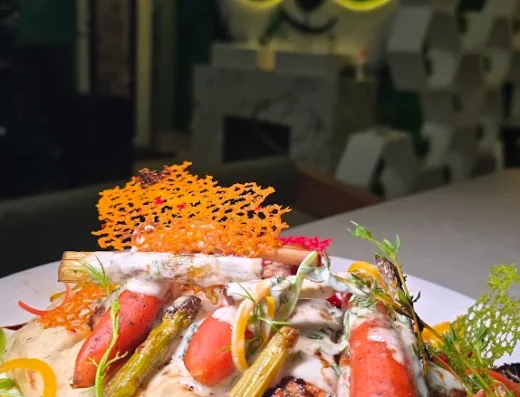
Culinary philosophy emphasizes quality ingredients and farm-to-table sourcing per resort website statement: “At Phulpatna, our culinary philosophy is straightforward—utilize only the finest ingredients and allow their flavors to shine. Committed to the principles of farm-to-table dining, we prioritize sourcing our ingredients from organic and local vendors, ensuring a fresh and sustainable dining experience”—”utilize only the finest ingredients” indicates premium ingredient procurement (best quality produce, proteins, spices) versus cost-cutting with lower grades, finest ingredients create superior taste, nutrition, presentation justifying premium pricing, quality-first approach differentiates from budget restaurants compromising ingredients for affordability. “Allow their flavors to shine” suggests minimal over-processing preserving natural ingredient taste versus heavy sauces masking mediocre ingredients, philosophy trusts ingredient quality to carry dishes. “Farm-to-table dining” represents contemporary sustainable dining movement connecting restaurants directly with farms and local producers—farm-to-table ensures ingredient freshness (reduced transportation time from harvest to plate), supports local agricultural economy, reduces environmental impact versus long-distance industrial supply chains, meets growing consumer demand for sustainable transparent food sourcing. “Organic and local vendors” specifies sourcing parameters—organic produces chemical-free ingredients (no synthetic pesticides, fertilizers) appealing to health-conscious diners and premium quality standards, local vendors (Odisha farmers, coastal fishermen) ensure regional authenticity and freshness while supporting community, local sourcing enables daily fresh ingredient delivery versus week-old cold storage inventory. “Fresh and sustainable” creates dual value proposition combining immediate quality benefits (fresh ingredients taste better, retain nutrients, offer superior texture) with long-term environmental responsibility appealing to conscious consumers, sustainability messaging aligns with contemporary eco-tourism and responsible dining trends.
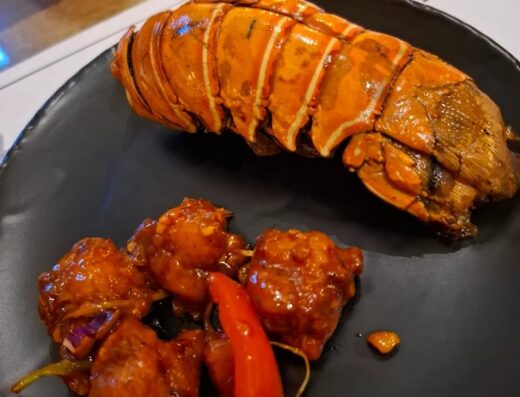
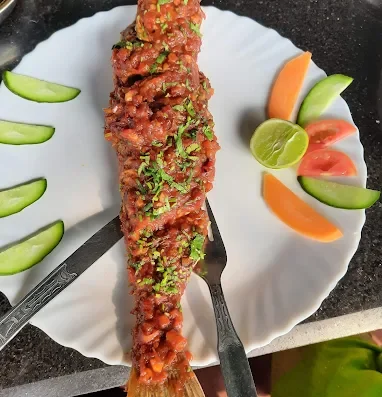
Extensive seafood specialization capitalizing on coastal location—website highlights “diverse and vibrant menu, featuring an extensive seafood selection that includes locally sourced fresh lobster and king crab” creating primary differentiation and premium appeal. “Extensive seafood selection” indicates broad offerings beyond single fish preparations—likely includes multiple fish species (pomfret, surmai, prawns, crabs), preparation styles (grilled, tandoori, curry, steamed, fried), regional recipes (Odisha coastal specialties, Bengali fish preparations, pan-Indian seafood classics) creating comprehensive seafood menu competing with specialized seafood restaurants. “Locally sourced fresh lobster and king crab” represents premium luxury offerings—lobster and king crab command highest prices in seafood category representing special occasion indulgence, fresh daily catch from local fishermen ensures optimal quality and sustainability versus frozen imported seafood, local sourcing validates coastal location advantage and connection to Puri’s fishing community, lobster and king crab highlight demonstrates upscale positioning willing to procure expensive specialty items versus limiting to affordable common fish. Coastal Puri location on Bay of Bengal provides direct access to fishing industry enabling daily fresh catch procurement impossible for inland restaurants relying on transportation and cold storage, seafood freshness represents critical quality factor (hours from catch to plate versus days for inland delivery) creating authentic coastal cuisine advantage, seafood specialization appeals to tourists specifically seeking coastal dining experiences and fresh catch preparations, differentiates from inland Puri restaurants serving primarily vegetarian temple food or basic tandoor meats.
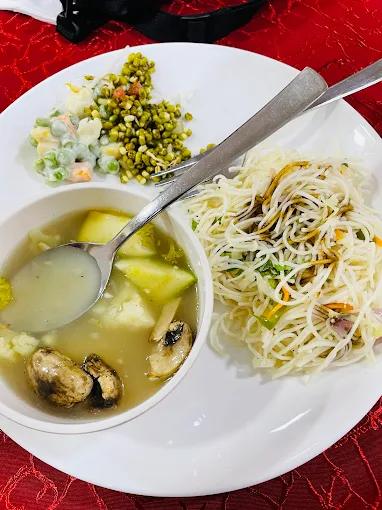
Comprehensive multi-cuisine diversity accommodating varied preferences—District.in menu details list “North Indian, Chinese, Fast Food, South Indian, Continental, Italian, Odia” cuisines creating exceptional breadth for single restaurant. North Indian likely includes butter chicken, dal makhani, paneer dishes, tandoori items, biryani, naan representing mainstream Indian cuisine familiar to domestic tourists and international visitors. Chinese refers to Indo-Chinese fusion (chili chicken, Manchurian, hakka noodles, fried rice) popular throughout India combining Chinese techniques with Indian spices. Fast Food suggests quick service items (sandwiches, burgers, pizzas) appealing to families with children and younger demographics. South Indian provides idli, dosa, vada, uttapam breakfast specialties and rice-based meals appealing to South Indian tourists and morning diners. Continental offers Western cuisine (pasta, steaks, grilled items) catering to international tourists and Indians familiar with European food. Italian specifically highlights pasta, pizza, risotto representing popular global cuisine. Odia celebrates local Odisha specialties (dalma, pakhala, seafood preparations, regional curries) providing authentic local experience for tourists seeking regional cuisine discovery. Seven-cuisine breadth ensures every customer type (vegetarian/non-vegetarian, traditional/modern, local/international, adult/child) finds familiar comfortable options, comprehensive menu accommodates large groups with varied preferences enabling single restaurant satisfaction versus group splitting across multiple venues, diversity demonstrates kitchen versatility and ingredient inventory management capabilities.
Breakfast service receives particular emphasis with detailed resort website description: “Open for breakfast, lunch, and dinner, our ethnic restaurant provides a delightful culinary journey throughout the day. For breakfast, hotel guests can indulge in a selection of continental and Indian options, alongside Italian and American breakfast offerings. Fresh organic fruits, rejuvenating juices, and a variety of teas and coffees complement the morning spread, creating a well-rounded and satisfying start to the day”—breakfast, lunch, dinner operation covers all meal periods ensuring resort guests never need to leave property for dining convenience. “Continental and Indian options alongside Italian and American breakfast offerings” creates global breakfast diversity—continental (croissants, breads, jams, cereals, cold cuts, cheeses) appeals to international tourists and Western breakfast preferences, Indian breakfast (poha, upma, parathas, regional items) serves domestic guests wanting familiar morning meals, Italian (frittata, focaccia, espresso) and American (pancakes, waffles, bacon, eggs) provide specific regional breakfast styles catering to targeted demographics, four-breakfast-culture approach (Continental, Indian, Italian, American) demonstrates sophisticated breakfast program versus single-style morning service. “Fresh organic fruits, rejuvenating juices, variety of teas and coffees” emphasizes beverage and produce quality—fresh organic fruits align with farm-to-table philosophy providing nutritious healthy morning options, rejuvenating juices (fresh-squeezed versus packaged) offer vitamins and natural energy, tea and coffee variety (likely includes espresso, cappuccino, South Indian filter coffee, masala chai, herbal teas) accommodates diverse morning beverage preferences, comprehensive beverage program elevates breakfast beyond just food to complete morning ritual. TripAdvisor review confirms breakfast quality stating “lot of variety at breakfast table” and “Breakfast options were good. Food was tasty” validating website claims with actual guest experience.
Service quality consistently praised across reviews—TripAdvisor comments include “excellent service,” “courteous service,” “staff behaviour very good,” “helpful caring staff,” “service top quality indeed,” “Service standards are good,” “Service in the restaurant is very good” appearing throughout 19 reviews indicating reliable hospitality excellence. April 2025 review specifically praises “phulpatna staff is very good and helpful caring staff” showing recent continued service quality versus historical performance decline. October 2017 review notes “Staff regularly checks for guest satisfaction at the table” revealing proactive service approach—regular table checks demonstrate attentive hospitality versus order-and-disappear service, satisfaction monitoring enables immediate issue resolution and personalized attention creating superior guest experience, proactive approach differentiates from reactive service only responding to customer complaints. December 2022 review states “Service and food quality is simply superb” combining service and food excellence in single assessment. Service emphasis reflects resort hospitality training standards and professional staff management creating consistent quality delivery, excellent service justifies premium pricing by adding hospitality value beyond just food quality, service quality particularly critical for resort restaurant where guests return multiple times during stay creating relationship-building opportunities versus single-visit street restaurants.
Dietary accommodation and menu flexibility—TripAdvisor categorizes restaurant as “Vegetarian friendly” with meal types “Breakfast, Lunch, Dinner” and features “Reservations, Seating, Table Service, Takeout, Wheelchair Accessible” demonstrating inclusive approach. Vegetarian friendly designation ensures extensive vegetarian options critical for Hindu temple pilgrims visiting Puri for Jagannath Temple following strict vegetarian diets, vegetarian breadth must compete with non-vegetarian specialties ensuring satisfying meat-free meals versus token veg options. March 2018 review provides specific dietary praise: “they provided our required Jain food in good choice”—Jain dietary restrictions extremely strict (no root vegetables, no onion/garlic, specific preparation methods) requiring specialized kitchen knowledge and ingredient sourcing, ability to provide “good choice” of Jain options versus single basic item demonstrates sophisticated dietary accommodation and kitchen versatility, Jain accommodation appeals to wealthy Jain business community representing high-value customer segment. October 2017 review mentions “Loved the Chinese and Indian dishes on the menu” though “Desserts have a limited choice” suggesting possible dessert menu weakness—limited dessert variety represents minor gap in otherwise comprehensive offerings, dessert limitation may reflect focus on savory preparations and regional dessert availability.
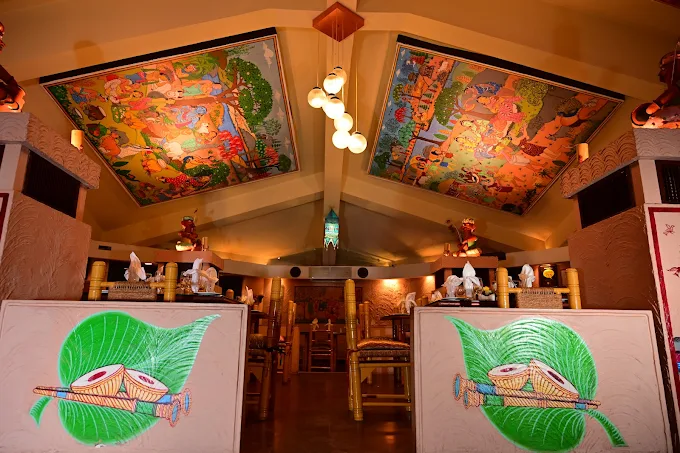
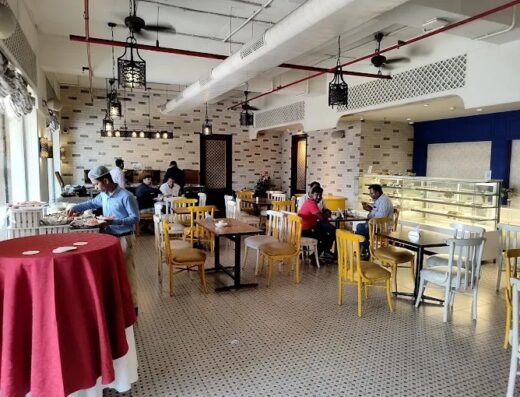
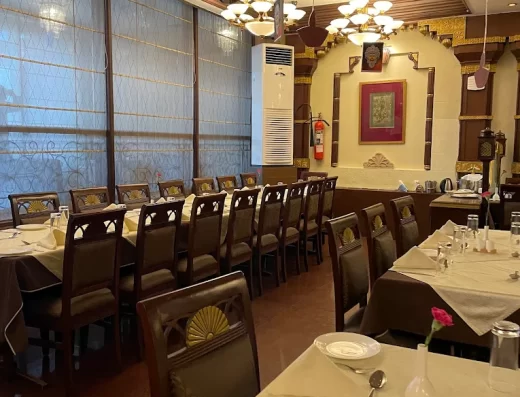
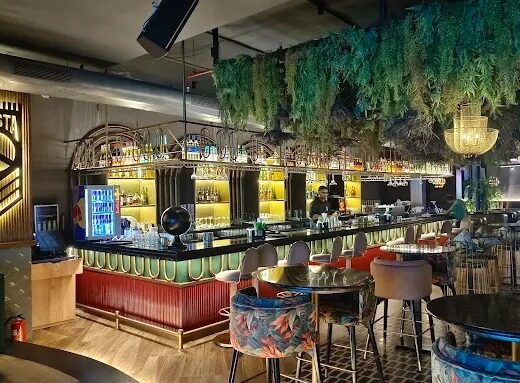
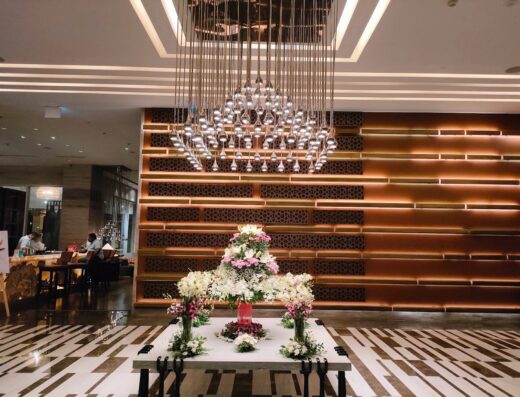
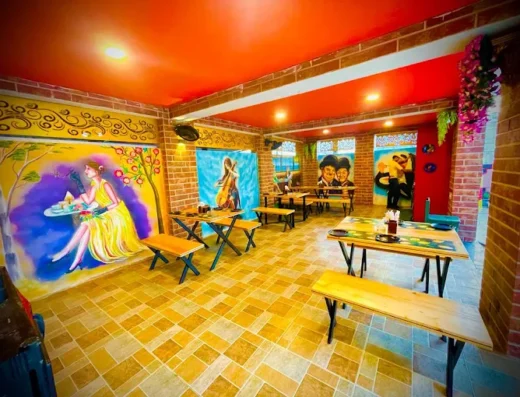
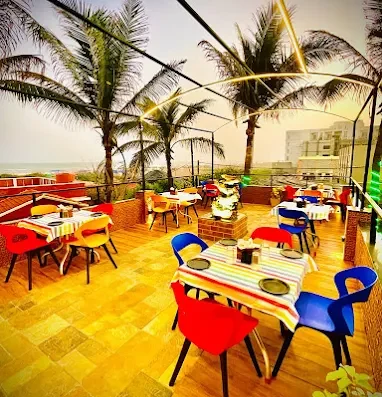
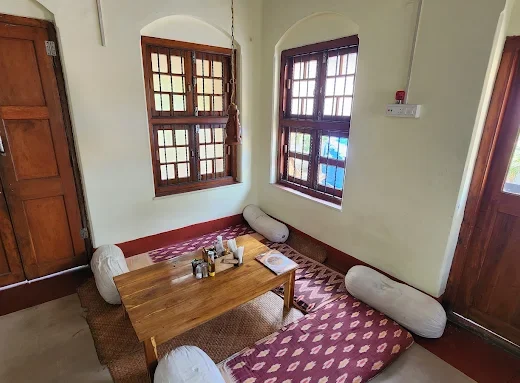
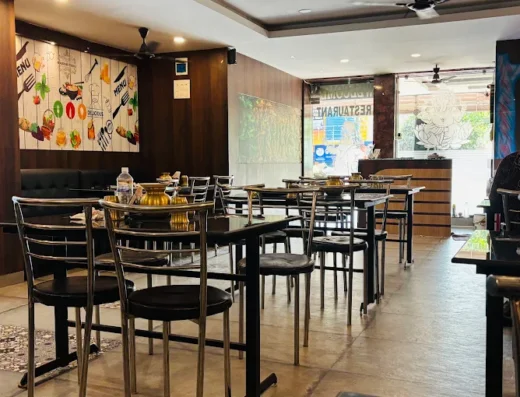
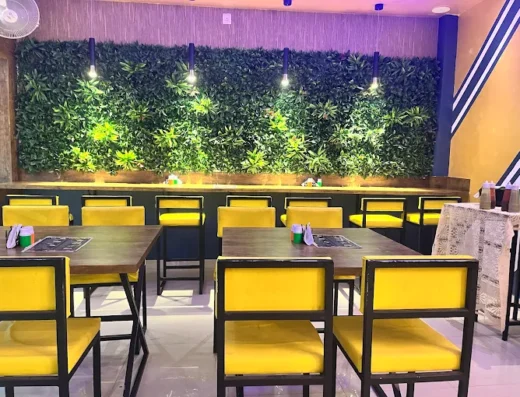
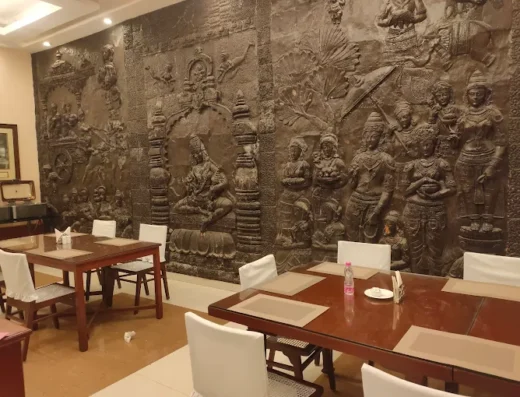
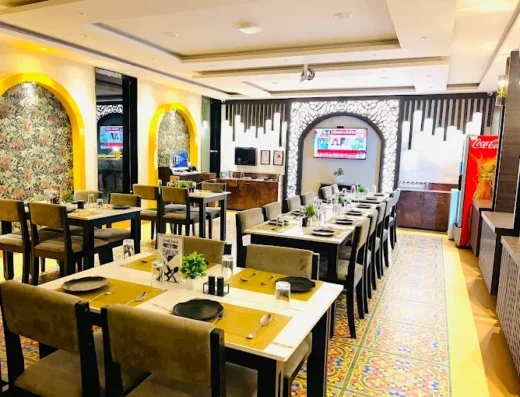
Ambiance and atmosphere create upscale dining environment—multiple reviews describe “nice ambience,” “pleasant” atmosphere, “Good food with nice ambience,” “good ambience” indicating consistent atmospheric quality. September 2016 review states “Interior is nicely decorated as per hotel standard” confirming resort-quality design and presentation versus basic street restaurant decor, hotel standard decoration suggests professional interior design, quality furnishings, themed ethnic elements creating immersive dining environment, investment in ambiance demonstrates commitment to complete dining experience beyond just food. Ethnic restaurant designation implies cultural design elements celebrating eastern Indian heritage through traditional decor, artwork, architectural features creating authentic regional atmosphere versus generic restaurant interiors, ethnic ambiance enhances culinary heritage messaging and provides Instagram-worthy photo opportunities appealing to social media-active tourists.
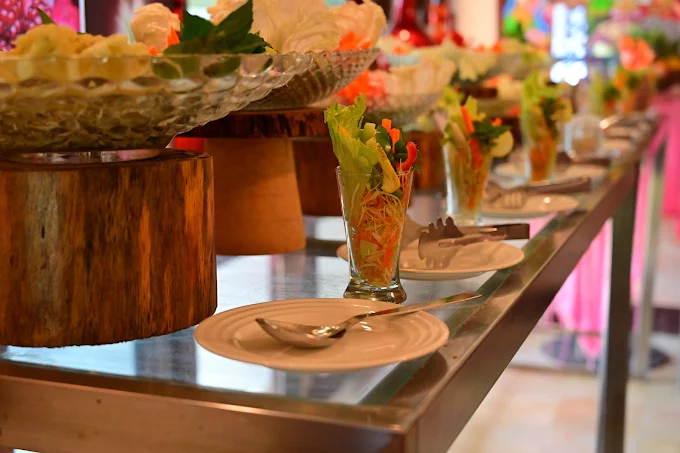
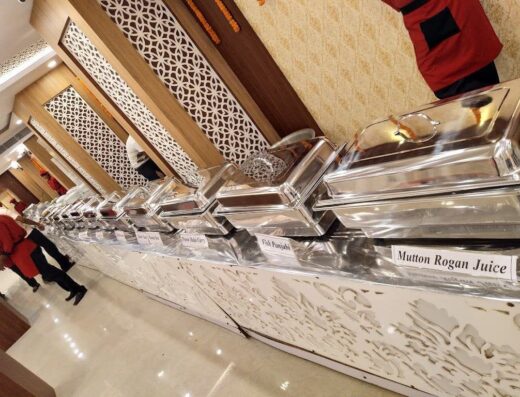
Dining format flexibility accommodates guest preferences—reviews mention “buffet lunch,” “ala carte at dinner,” “Go for the buffet rather than ala carte” suggesting both service styles available. Buffet format enables unlimited variety sampling and self-service pace ideal for resort guests wanting leisurely meals and maximum variety exposure, particularly popular for breakfast and lunch periods when guests want quick efficient dining before activities. Ala carte provides individual dish selection, portion control, customization, fresh-to-order preparation appealing to guests wanting specific items and fine dining experience, particularly suitable for romantic dinners and special occasions requiring personalized service. April 2018 review specifically advises “Go for the buffet rather than ala carte” suggesting buffet offers better value proposition (unlimited variety for fixed price versus expensive individual dish pricing) or quality (wider selection versus limited ala carte menu), buffet recommendation may reflect conference group service where buffets efficiently handle large simultaneous groups.
Conference and group handling capability—April 2018 review notes “they are inundated with conference groups most of the time which means that individual guests may not even find a place to sit” revealing operational challenge. Conference group business indicates Toshali Sands hosts corporate events, conferences, weddings creating large group dining demands overwhelming individual guest capacity, group business financially attractive (bulk bookings, guaranteed revenue) but creates service strain during peak periods, individual guest difficulty finding seating suggests capacity management issues or insufficient reservation prioritization for non-group guests, conference focus may explain buffet preference (efficiently serves large simultaneous groups) versus ala carte challenges. “Candle Light Dinner” listed as special feature suggests romantic intimate dining capability contrasting with conference group business—candlelight dinner service provides upscale romantic atmosphere for couples celebrating special occasions (anniversaries, proposals, honeymoons), feature indicates ability to customize dining experience and create intimate atmosphere despite conference group presence, romantic dining appeals to honeymoon couples and weekend getaway visitors representing high-value leisure segment.
Resort integration creates operational advantages and guest convenience—location “inside Hotel Toshali Sands” provides built-in customer base from resort guests wanting on-site dining without leaving property, resort guests represent captive audience for breakfast (likely included in room packages) and convenient option for lunch/dinner versus traveling to Puri town restaurants, integration ensures professional management oversight, shared resources (procurement, utilities, staffing), quality standards alignment with resort brand reputation. However resort dependency creates potential disadvantages—limited walk-in traffic from non-resort guests may reduce revenue diversification versus street-front restaurants capturing passing tourist traffic, resort location outside central Puri (Baliguali area) reduces accessibility for non-guests versus Grand Road restaurants near temple and main tourism concentration, premium resort pricing may deter budget travelers versus standalone restaurants with flexible pricing, restaurant success tied to overall resort occupancy creating seasonal vulnerability during tourism low periods.
Value proposition balances premium pricing with quality delivery—reviews consistently acknowledge “bit expensive” pricing while simultaneously praising food quality, service, ambiance suggesting customers accept premium costs when justified by quality experience. September 2018 review summarizes: “It’s a decent restaurant, serves a wide range of multiple dishes, But the rates are bit expensive. The quality and the taste is awesome. Atmosphere is pleasant. Service is also good”—assessment acknowledges expense while affirming quality, taste, atmosphere, service justifying costs, balanced evaluation suggests pricing at upper acceptable limit where further increases might trigger value resistance. November 2016 review states “good food and ambience but is bit expensive” and August 2017 “ambience and the food was really good and tasty. But I found the prices to be a little on high side” repeating pattern of quality acknowledgment with pricing concern, consistency of “bit expensive” rather than “exorbitantly expensive” or “not worth the money” suggests pricing pushes limits but remains within justifiable range for delivered value. November 2016 review from hotel guest notes “quality of food is very good but bit expensive”—even resort guests paying package rates find restaurant expensive indicating high ala carte pricing potentially targeting outside diners versus offering resort guest discounts.
Customer demographics and usage patterns—reviews indicate family, couples, business, solo, friends travel types demonstrating broad appeal across customer segments. Family visits suggest child-friendly atmosphere and menu breadth accommodating varied ages and preferences, couples visits validate romantic dining capability (candlelight dinners, intimate ambiance) appealing to honeymoons and anniversaries, business travelers indicate conference and corporate dining suitability with professional service standards, solo diners show individual guest welcome versus exclusively group-focused service, friends gatherings demonstrate social dining atmosphere and shareable menu options. May 2019 review describes “wonderful evening with small get together with family and friends. Good options are available and each one of us got our favorite dishes ordered”—ability for each person to find favorite dishes validates multi-cuisine breadth ensuring group satisfaction, wonderful evening assessment indicates success for celebratory social dining creating memorable positive experiences
Categories
Location
FAQ
What makes Phulpatna's culinary philosophy and ingredient sourcing exceptional for premium dining?
Phulpatna's farm-to-table approach emphasizes quality and sustainability. Culinary philosophy: Official resort website states "At Phulpatna, our culinary philosophy is straightforward—utilize only the finest ingredients and allow their flavors to shine"—finest ingredients procurement ensures superior taste, nutrition, presentation creating premium quality foundation versus cost-cutting with lower grades, ingredient quality creates natural flavor excellence reducing need for heavy masking sauces and over-processing, philosophy demonstrates confidence in ingredient selection to carry dishes versus relying solely on chef technique. Farm-to-table commitment: Restaurant remains "committed to the principles of farm-to-table dining, we prioritize sourcing our ingredients from organic and local vendors, ensuring a fresh and sustainable dining experience"—farm-to-table connects restaurant directly with agricultural producers ensuring ingredient freshness (reduced time from harvest to plate versus long supply chains), supports local Odisha farming economy creating community relationships and economic impact, reduces environmental footprint through decreased transportation and industrial processing, meets contemporary consumer demand for transparent sustainable food sourcing traceable to origins. Organic and local sourcing: Organic ingredients provide chemical-free produce (no synthetic pesticides, fertilizers) appealing to health-conscious diners and premium quality standards, organic farming produces nutrient-dense flavorful ingredients superior to conventional industrial agriculture, local vendors (Odisha farmers, Bay of Bengal fishermen) ensure regional authenticity and daily fresh delivery versus week-old cold storage from distant suppliers, local sourcing enables seasonal menu adaptation using peak-freshness ingredients available at each time of year. Fresh and sustainable value: Freshness delivers immediate quality benefits (better taste, retained nutrients, superior texture, vibrant appearance) enhancing dining experience, sustainability addresses long-term environmental responsibility appealing to eco-conscious consumers and responsible tourism trends, dual value proposition (immediate personal benefit + broader environmental good) creates comprehensive appeal. Farm-to-table philosophy differentiates from conventional restaurants using industrial supply chains and frozen imported ingredients
How does extensive seafood specialization create competitive advantage and premium positioning?
Coastal location enables exceptional seafood offerings. Extensive seafood selection: Resort website highlights "diverse and vibrant menu, featuring an extensive seafood selection that includes locally sourced fresh lobster and king crab"—extensive selection indicates broad seafood menu beyond single fish preparations likely including multiple species (pomfret, surmai, prawns, various crabs, local catches), diverse preparation styles (grilled, tandoori, curry-based, steamed, fried, coastal Odisha specialties), regional recipes spanning Odisha coastal cuisine, Bengali fish preparations, pan-Indian seafood classics creating comprehensive seafood program competing with specialized seafood-only restaurants. Premium luxury items: Fresh lobster and king crab represent highest-end seafood offerings commanding premium prices—lobster and crab symbolize luxury special-occasion dining versus everyday fish preparations, fresh daily catch from local fishermen ensures optimal quality and taste superior to frozen imported seafood suffering quality degradation during freezing and transportation, locally sourced validates authentic coastal restaurant connection to Puri fishing community versus inland restaurants without direct fishing industry access. Coastal location advantage: Puri's Bay of Bengal positioning provides direct access to fishing industry enabling daily fresh catch procurement within hours of landing—hours-from-water freshness represents critical quality factor for seafood where taste, texture, safety depend on minimal time between catch and consumption, coastal restaurants serve seafood at peak quality impossible for inland establishments relying on multi-day transportation and cold storage causing inevitable quality decline, fresh catch access creates authentic coastal cuisine capability differentiating from inland competitors serving primarily vegetarian temple food or basic tandoor meats without seafood expertise. Tourist appeal: Seafood specialization attracts tourists specifically seeking coastal dining experiences and fresh catch preparations as primary motivation for visiting seaside destinations, lobster and king crab create luxury special-occasion appeal for celebrations, honeymoons, romantic dinners justifying premium pricing and driving revenue, extensive seafood selection ensures broad customer satisfaction accommodating varied preferences (fish lovers, crab enthusiasts, prawn fans, adventurous diners wanting local specialties) versus limited single-fish menus. Seafood focus combined with farm-to-table sourcing creates quality differentiation justifying ₹2,500 premium pricing
What multi-cuisine diversity ensures comprehensive customer accommodation and group satisfaction?
Seven-cuisine breadth provides exceptional variety. Comprehensive cuisine range: District.in lists "North Indian, Chinese, Fast Food, South Indian, Continental, Italian, Odia" cuisines creating remarkable breadth for single restaurant—seven distinct culinary traditions demonstrate kitchen versatility, extensive ingredient inventory management, chef expertise across preparation styles versus single-cuisine limitation. North Indian mainstream: Likely includes butter chicken, dal makhani, paneer dishes, tandoori preparations, biryani, naan representing familiar mainstream Indian cuisine comfortable for domestic tourists and recognizable to international visitors, North Indian breadth ensures baseline satisfaction for majority Indian customer base expecting standard popular dishes. Indo-Chinese fusion: Chinese refers to Indo-Chinese fusion combining Chinese cooking techniques with Indian spice profiles producing chili chicken, Manchurian preparations, hakka noodles, fried rice popular throughout India, fusion style appeals to younger demographics and families wanting variety beyond pure Indian traditional offerings. Fast Food convenience: Fast food suggests quick-service items like sandwiches, burgers, possibly wood-fired pizzas (Coastline Dhaba sister restaurant mentions pizza) appealing to families with children, teenagers, guests wanting light casual meals versus formal multi-course dining. South Indian breakfast: South Indian provides idli, dosa, vada, uttapam breakfast specialties and rice-based meals critical for South Indian tourists wanting familiar regional food and morning diners preferring light healthy breakfast versus heavy North Indian parathas, South inclusion demonstrates national market understanding serving diverse Indian regional preferences. Continental Western: Continental offers Western European cuisine like pasta, steaks, grilled preparations, Continental breakfast items catering to international tourists and Indians familiar with European dining, Continental breadth enables hosting foreign guests without forcing unfamiliar Indian food creating inclusive international dining. Italian specialty: Italian specifically highlights pasta, pizza, risotto representing globally popular cuisine with universal appeal, Italian separation from general Continental suggests dedicated Italian menu section or specialty preparations beyond basic pasta. Odia regional authenticity: Odia celebrates local Odisha specialties including dalma (lentil-vegetable preparation), pakhala (fermented rice dish), coastal seafood preparations, regional curries providing authentic local experience for tourists seeking regional cuisine discovery and cultural food exploration, Odia inclusion demonstrates regional pride and cultural showcase versus only serving mainstream national/international cuisines ignoring local heritage. Customer accommodation: Seven-cuisine diversity ensures every customer type finds familiar options—vegetarians find extensive veg selections across cuisines, non-vegetarians enjoy seafood plus meat preparations, traditional diners choose authentic Indian/Odia dishes, modern preferences select Continental/Italian offerings, children enjoy fast food, adults appreciate fine dining options, comprehensive breadth accommodates large groups with varied preferences enabling single-restaurant satisfaction versus group splitting across multiple venues, ensures multi-day resort stays don't suffer menu fatigue with sufficient variety for repeated dining
How does breakfast service create comprehensive morning dining experience for resort guests?
Breakfast receives particular operational emphasis. All-day meal coverage: Restaurant operates "open for breakfast, lunch, and dinner, our ethnic restaurant provides a delightful culinary journey throughout the day"—three-meal-period operation ensures resort guests access on-site dining for every meal without leaving property, continuous operation creates convenience value particularly for breakfast (likely included in room packages) and appeals to guests wanting hassle-free dining versus searching external restaurants. Multi-cultural breakfast diversity: Breakfast service provides "selection of continental and Indian options, alongside Italian and American breakfast offerings" creating exceptional global breakfast breadth—four breakfast cultures (Continental, Indian, Italian, American) demonstrate sophisticated breakfast program versus single-style morning service, Continental breakfast includes croissants, breads, jams, cereals, cold cuts, cheeses appealing to European tourists and light breakfast preferences, Indian breakfast offers poha, upma, parathas, regional specialties serving domestic guests wanting familiar traditional morning meals, Italian breakfast provides frittata, focaccia, espresso catering to Italian tourists and Mediterranean breakfast lovers, American breakfast includes pancakes, waffles, bacon, eggs satisfying American tourists and hearty breakfast preferences, multi-cultural approach ensures every international and domestic guest finds comfortable familiar breakfast options matching home eating patterns. Premium beverage and produce: Breakfast includes "fresh organic fruits, rejuvenating juices, and a variety of teas and coffees" elevating beyond basic food service—fresh organic fruits align with farm-to-table philosophy providing nutritious healthy vitamin-rich morning options, seasonal fruit variety ensures visual appeal and diverse flavor profiles, rejuvenating juices suggest fresh-squeezed preparations versus packaged commercial juices providing superior nutrition and natural energy, tea and coffee variety likely encompasses espresso, cappuccino, latte, South Indian filter coffee, masala chai, herbal teas, specialty brews accommodating diverse morning beverage rituals and caffeine preferences, comprehensive beverage program recognizes morning drinks represent critical comfort factor for many guests requiring familiar coffee/tea to start day satisfyingly. Guest validation: TripAdvisor review confirms "lot of variety at breakfast table" and "Breakfast options were good. Food was tasty" validating website breakfast claims with actual guest experience, variety emphasis in independent review proves breakfast breadth claim accurate versus marketing exaggeration, December 2022 review states "lot of variety at breakfast table" showing sustained breakfast quality over years, March 2018 review praises "Breakfast spread was good and they provided our required Jain food in good choice" demonstrating breakfast accommodation even for highly restrictive Jain dietary requirements. Breakfast excellence creates positive resort stay beginning and influences overall satisfaction assessment
What service quality standards differentiate restaurant experience and justify premium pricing?
Consistent service excellence praised across reviews. Uniform positive service assessment: TripAdvisor reviews include "excellent service," "courteous service," "staff behaviour very good," "helpful caring staff," "service top quality indeed," "Service standards are good," "Service in the restaurant is very good"—service praise appears throughout 19 reviews indicating reliable consistent hospitality versus isolated positive experiences among mixed service quality, uniform excellence suggests systematic staff training, management oversight, professional hospitality standards embedded in operations versus random individual performance. Recent quality validation: April 2025 review specifically states "Staff behaviour very good...phulpatna staff is very good and helpful caring staff"—recent timing (2025) proves continued service quality versus historical excellence with subsequent decline, "helpful caring" suggests staff go beyond transactional order-taking to genuine hospitality demonstrating personal interest in guest satisfaction. Proactive guest engagement: October 2017 review reveals specific practice: "Staff regularly checks for guest satisfaction at the table"—regular table checks demonstrate proactive attentive service versus reactive approach only responding when customers complain or signal waiters, satisfaction monitoring enables immediate issue detection and resolution before problems escalate into negative experiences, proactive engagement shows professional hospitality training where staff take ownership of guest experience actively managing satisfaction versus passive order fulfillment, table checks create opportunities for personalized recommendations, dietary accommodation discussions, relationship building particularly valuable for multi-day resort guests returning to restaurant repeatedly. Combined service-food excellence: December 2022 review states "Service and food quality is simply superb"—combining service with food in single excellence assessment indicates both elements perform equally well creating complete dining experience, many restaurants excel at food while failing service or vice versa, dual excellence differentiates Phulpatna as comprehensive quality provider. Professional hospitality standards: Service quality reflects resort hospitality training infrastructure and professional staff management creating systematic quality delivery—Toshali Sands resort brand reputation requires maintaining service standards across all guest touchpoints including restaurant, resort provides professional HR systems (recruitment, training, evaluation, incentives) ensuring staff capability and motivation, management oversight ensures service protocols followed consistently across shifts and seasons. Service excellence justifies ₹2,500 premium pricing by delivering hospitality value beyond just food quality—guests pay for attentive caring treatment, proactive satisfaction management, professional atmosphere, creating memorable positive experiences worth premium costs.
How does dietary accommodation demonstrate inclusive approach and sophisticated kitchen capabilities?
Restaurant accommodates diverse dietary needs. Vegetarian-friendly designation: TripAdvisor categorizes as "Vegetarian friendly" ensuring extensive vegetarian options critical for Hindu temple pilgrims visiting Puri for Jagannath Temple following strict vegetarian diets—Puri attracts massive religious tourism with vegetarian requirements, vegetarian breadth must offer satisfying complete meals competitive with non-vegetarian specialties versus token basic veg dishes as afterthought, vegetarian excellence particularly important given Phulpatna's seafood focus potentially creating perception of limited veg options, friendly designation validates sufficient variety and quality for vegetarian satisfaction. Jain dietary expertise: March 2018 review provides exceptional dietary praise: "they provided our required Jain food in good choice"—Jain dietary restrictions represent extremely strict requirements excluding root vegetables (potatoes, onions, garlic, carrots, radishes), specific preparation methods (no crushing spices, certain cooking techniques), ingredient sourcing concerns (avoiding organisms harm), meal timing restrictions, Jain accommodation requires specialized kitchen knowledge understanding complex restriction philosophy, dedicated ingredient sourcing avoiding prohibited items, modified cooking techniques maintaining flavor without restricted ingredients (especially challenging without onion/garlic flavor base common in Indian cooking), ability to provide "good choice" versus single basic Jain option demonstrates sophisticated dietary understanding and kitchen versatility willing to customize preparations, Jain accommodation appeals to wealthy Jain business community (Jains represent economically successful demographic in India) creating high-value customer segment






















Leave a Reply